
Insurance building claims that stay on scope and on schedule.
BuildAbility™ checks the claim file before the work starts, so the gaps get fixed at the desk instead of on the job. Every step is on the record, and a person signs it off.
- Make-safe record attachedPassed
- Moisture readings logged and datedPassed
- Scope variation, line 14
- Invoice exceeds approved scope
Most claims do not go wrong on the job. They go wrong in the handovers.
Make safe, restoration, the assessor, the builder. Every handover loses some detail, and by sign-off a lot is missing.

The scope misses things
It looks complete when it is approved. Then the variations arrive, and so does the argument.
A job stalls and nobody owns it
It bounces between make safe, restoration, the assessor and the builder. Nobody holds the whole file.
The know-how walks out the door
Your best assessor or supervisor leaves, and how they ran a claim leaves with them.
Supervisors spend the week on paperwork
The people who know how a building goes together end up chasing documents and booking trades.
Built for whoever has to make the claim work.

Insurers
See which panel jobs are ready before work starts. Every file gets the same check, whichever builder sent it.
For insurers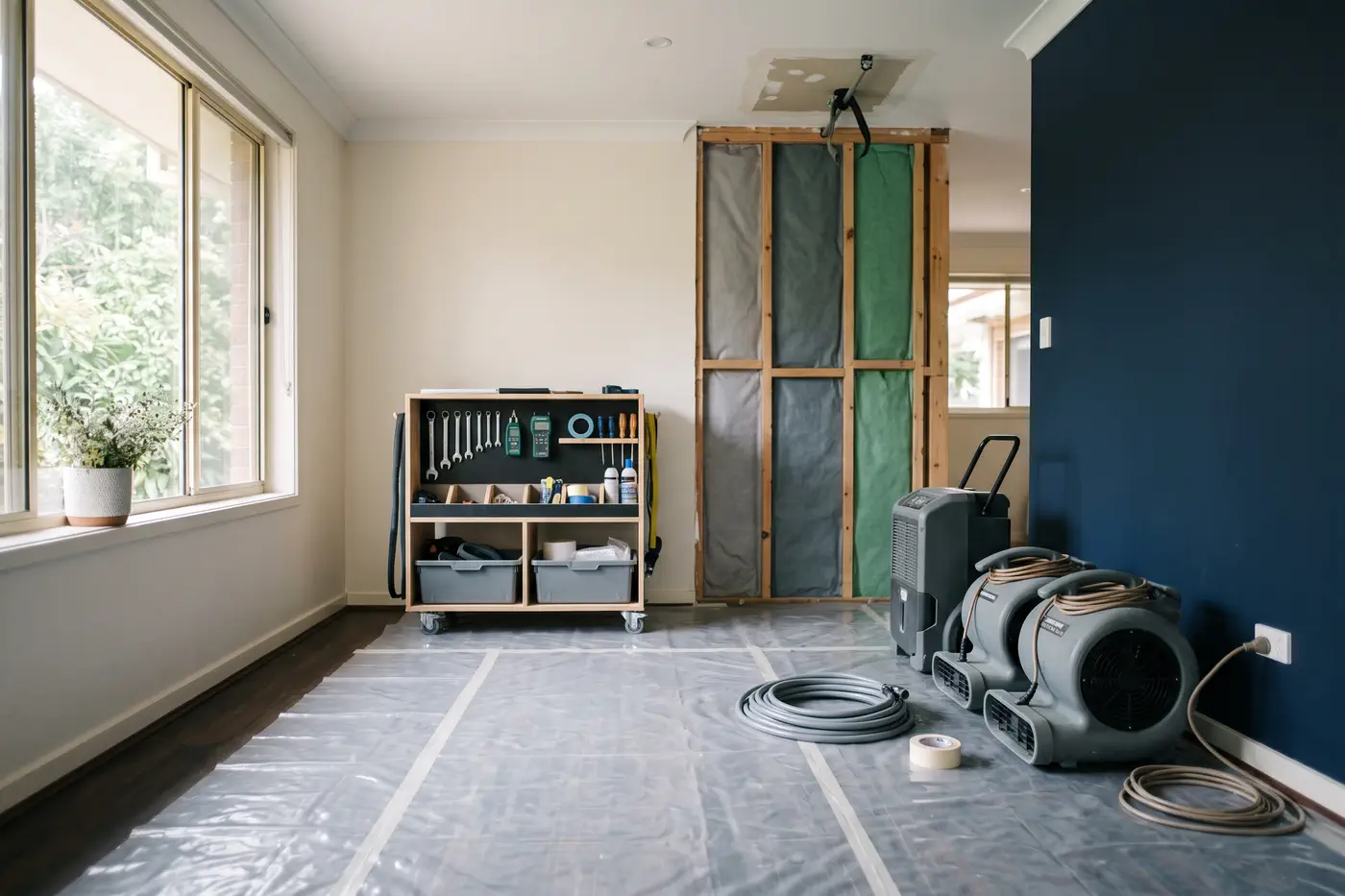
Insurance builders
Hand over a file the insurer can sign off. Find the gaps before they do, and run every claim the same way.
For builders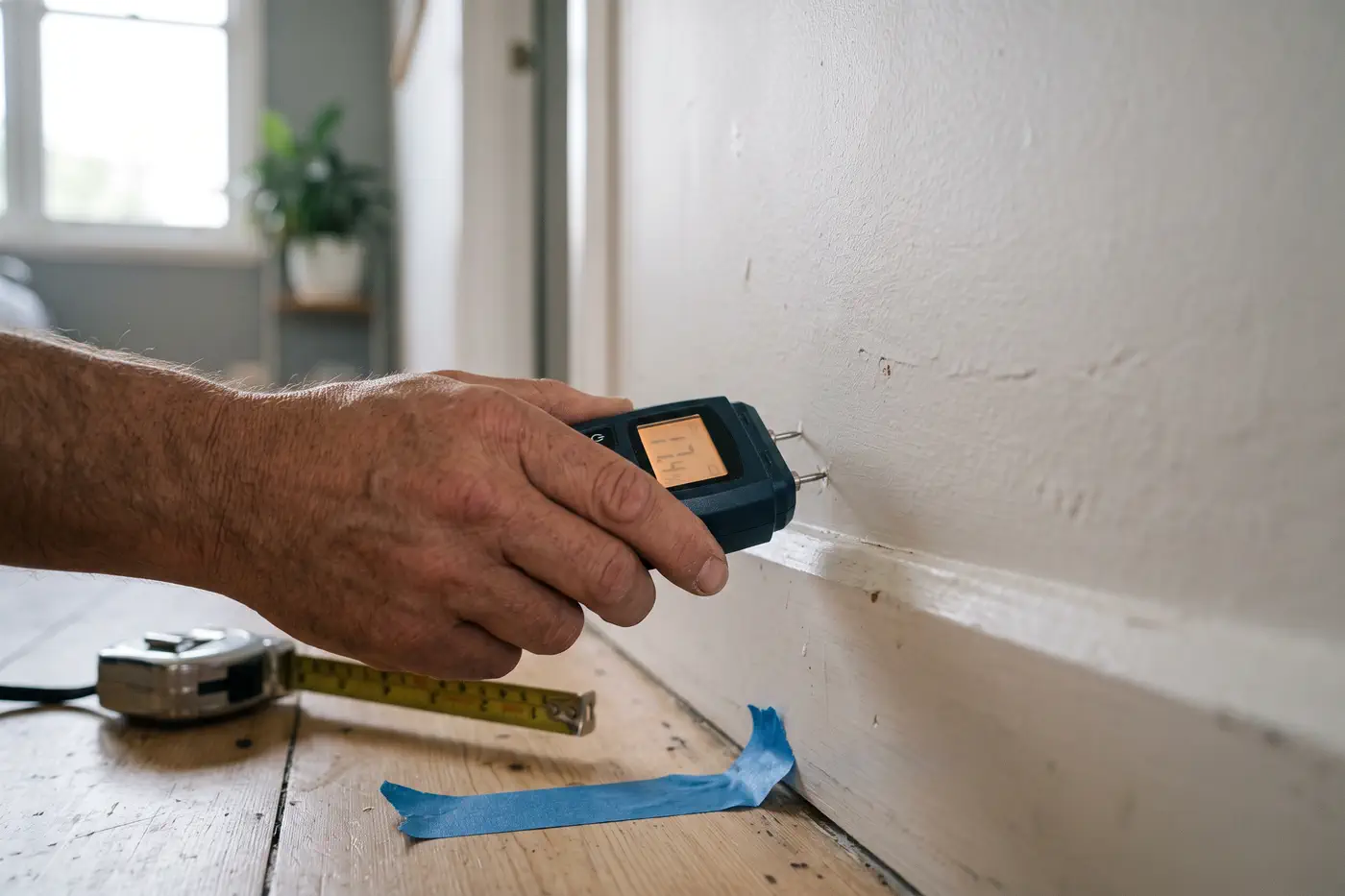
Restoration businesses
Prove what you did, when, and to what standard. Your drying records and photos in one clear file.
For restorersSend us the file. We tell you what is missing.
Live now for burst pipe and leak claims
Send the claim file
Documents, photos and scanned pages. Whatever you have.
We check it
We read everything and list what is missing and what does not add up. Each point shows the page or photo behind it.
A person signs it off
An assessor confirms every finding. Nothing goes out until they do.
Software flags it. A person decides.
Insurers are right to be wary of AI that acts on its own. This does not. The software finds the gaps, and a person makes the call.
It shows its working
Every finding points to the document or photo behind it. If it cannot be shown, it is not stated.
It never decides cover
Exclusions stay with the insurer. The check is about a complete, consistent file.
A person signs off
Nothing is released on the software's say-so. The file shows who confirmed it, and when.
Built with an insurance claims specialist
One person in charge of the whole claim.
The claim check is the first piece. Next is running the claim itself.
Claim check
The whole file checked before work starts.
- What is missing
- What does not add up
- A person signs off
One claim, one point of contact
One administrator sees the whole claim, from first call to sign-off, with the same checks at every stage.
Trades booked from a vetted list
Three trusted trades per category. Jobs offered in turn, dates locked once accepted, and a record when someone cannot attend.
Things people ask first.
Does it decide cover or cut payouts?
No. Exclusions stay with the insurer. The claim check makes sure the file is complete and consistent, and shows what does not add up. A person confirms every finding.
Which claims does it cover?
Escape of liquid claims first, which means burst pipes and leaks. That is where claims blow out most often. Other claim types follow once this one is proven.
Do we have to change our software?
No. The claim check sits alongside the job software you already use. It does not replace your scheduling or your accounts.
Is it just AI?
The software does the reading and flags problems. A person decides. Every finding points to the page or photo behind it, and nothing is released until someone confirms it.
What does it cost?
We set pricing after the first few conversations, so early clients help shape it. Book a call and we will tell you where we are.
Start with a conversation.
A short call
You tell us where your claims slow down. We listen.
A second look
We come back and show how we have solved those problems, using a worked example.
Your call
You decide if it fits. If it does, we agree where to begin.
See it on a claim file.
Tell us where your claims slow down. We will show you how the check handles it.